Texas Catholic Bishops respond to court’s decision on DACA status in Texas
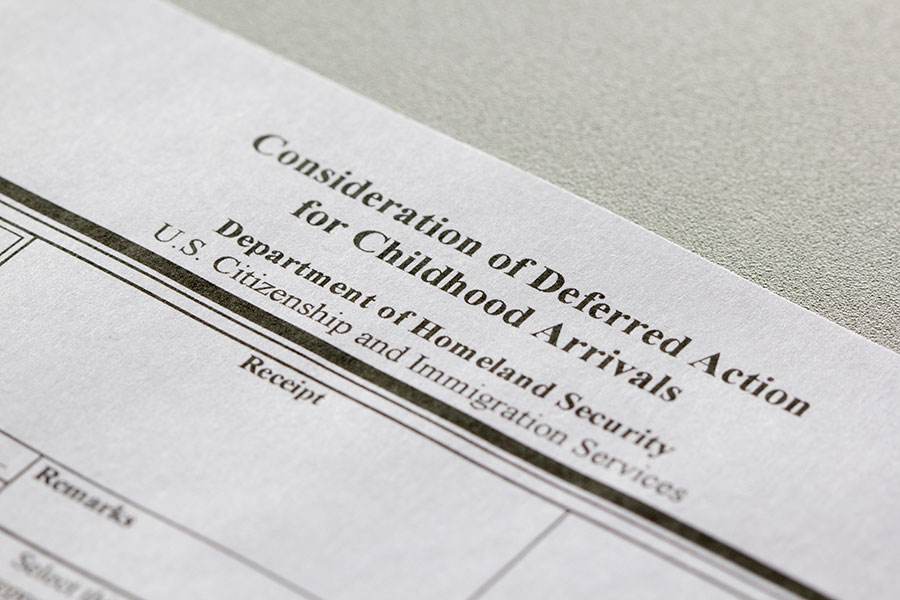
istock.com
FORT WORTH — Bishop Michael Olson asked the faithful of the diocese to be alerted to a response the Catholic bishops of Texas issued on Nov. 4 to a federal court decision that could soon change the legal status of nearly 90,000 DACA recipients in Texas, turning their lawful presence into unlawful status. This ruling, stemming from the Texas v. United States case, threatens to remove work authorization for DACA recipients residing in Texas, even as protections may remain in place elsewhere.
The Texas bishops expressed concern over the implications of this decision, stating it will “impact virtually every community in Texas by removing the lawful presence for DACA recipients who live in Texas. We, the Catholic bishops of Texas, firmly resolve to respond with compassion and a call for justice for those who, through no fault of their own, are now being forced to abandon their homes, their livelihood, and their communities.”
The ruling undermines the basic human right to work and support a family, the bishops stated, warning of broader social and economic consequences by “fomenting fear, severing relationships, disrupting business, and removing some of the most upstanding individuals from our community.”
The bishops urged the need for immigration reform which “respects both national security needs and the human right of each person to work and raise a family in peace.
Even amid anticipated fear and familial estrangement, the bishops stressed the importance of proper training and supervision for Immigration and Customs Enforcement agents as well as reminded the faithful that no violent action should ever be taken or justified to harm law enforcement and their families. Human dignity should be respected at all ends, including that of officers.
“We are pastors of ICE agents and DACA recipients, undocumented persons and families whose security is threatened. This decision will only exacerbate fear and distrust, pit community members against one another, and cause significant economic disruption for many communities.”
In a message of solidarity, the bishops addressed immigrant communities directly, stating, “We have heard your cries. We are with you in these difficult days,” and concluded with a prayerful appeal, “May God, who hears the cry of the poor, move all of us to bring His mercy and justice to our country.”